



Umpteen years ago + I was a Gasoline Cowboy (Transport Company) in the Army Reserve. I was the 2nd best shot in the company and could kill an enemy at 600m according to the range target bullseye. However, in a camouflage exercise, I and my fellow section soldiers could not see a squad of 12 that were hidden in foot high grass not 20m away from us. This made me very wary of fighting in a jungle situation.
Last week talking to the father of a current SAS soldier who served in Afghanistan, he told me that male Taliban fighters would dress up in Burqa hiding a weapon under their clothes and the only way they could tell, if something was sus if they could see hairs on the wrist or feet. To live, work, fight in this 24/7 environment makes my fear of the jungle miniscule.
Of Couse they also had instances of Afghanistan army personnel that have been turned by the Taliban, shooting at them in their army barracks and elsewhere.
I know from a cousin who severed 3 stints in Vietnam, continuous fighting without rest is rare, but with high intensity combat, unit rotation and rest periods could be reduced, with impact on your mental health, which would not be helped with problems from home, partner having trouble with teenage son, partner finding another relationship. This mental stress could cause you to make decisions that would otherwise not be made and could go against you in a future legal situation.
It seems to me the current environment in Australia is along the lines of, if a soldier in a foreign war theatre on seeing an enemy must confirm that he/she is holding a gun/rifle/ explosive device pointed at you, before the shoot to kill, preferably taking a photo of the enemy prior to the shot to defend the action in case it is raised by a soldier in your section (or citizen) who was envious of you position/partner/lifestyle, (or saw the situation differently), bringing a legal case against you when back in Australia. To me approaching what the police need to go thru to justify very round shot in a disturbance.
I question why the Army/SAS hierarchy, to my knowledge, has not been called to account with problems due to our involvement in Afghanistan. Did they know and not do anything or they did not know because they were far from the coalface/front line.
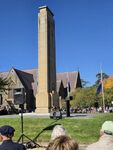
And on Anzac Day when I hear the Last Post it reminds me of Army Cadets training during School days playing the Last Post on my Bugle at night at our annual camp at the Enoggera army camp Brisbane.
Lest We Forget
·Burqa: A one-piece garment that covers the entire face and body, featuring a mesh screen over the eyes.
-- Edited by PeterInSa on Wednesday 22nd of April 2026 09:41:49 PM
-- Edited by PeterInSa on Wednesday 22nd of April 2026 10:54:07 PM
Many of our journalists witch-hunting returned soldiers have short memories.
Not so long ago terrorists were filming beheading innocent people and posting the gruesome images on the net.
Who is out there bringing the millions of awful terrorists acts to justice?
I think being involved in any war in any theatre would be terrifying. Decisions have to be made in a split second in some cases that on later review prove to be erroneous. This is accepted and only alleged criminal acts outside of this are prosecuted.
The Geneva Convention was signed and adopted by all 196 States and every member of the United Nations is a signatory to its enforcement. If personnel are alleged to have committed criminal acts outside the rules of warfare stipulated in the treaty then they face prosecution. It is a high bar for the prosecution to succeed unless there are actual witnesses to the alleged act(s) and then the testimony obviously has to be corroborated by others that were present.
I imagine personnel of any fighting group, elite or otherwise, would be adoptive of the esprit de corps and it would need to be something quite extraordinary for this to be broken. I think personnel that were present would be the only ones whose testimony would be relevant.
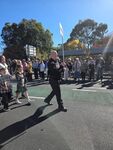
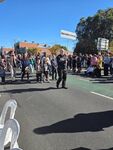
Anzac day is such a special day. The sacrifices made by so many just to keep our country safe. True heroes.